
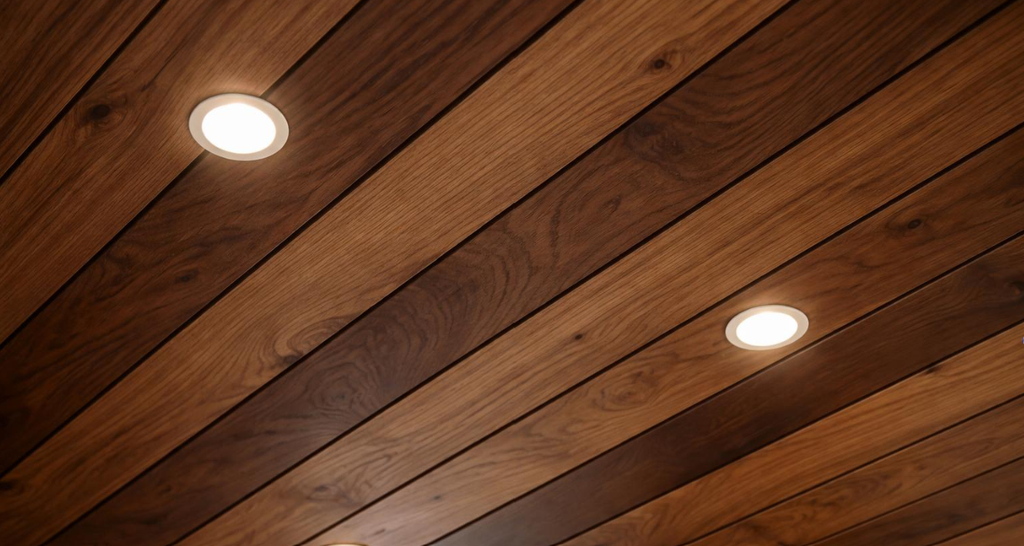
Transforming your alfresco area into a stunning and functional extension of your home involves careful consideration of every detail, especially the ceiling. The right alfresco ceiling lining can elevate your outdoor living experience, providing both aesthetic appeal and practical benefits.
Understanding Alfresco Ceilings
The concept of an alfresco ceiling is integral to creating a comfortable and inviting outdoor space. It’s more than just a cover; it’s a design element that protects and enhances your alfresco area, providing a seamless transition between indoor and outdoor environments. Choosing the perfect alfresco ceiling lining can dramatically impact the overall feel and utility of your patio or verandah.
What is an Alfresco Ceiling?
An alfresco ceiling refers to the finished underside of a roof structure in an outdoor living space, such as a patio, verandah, or alfresco area. Unlike an indoor ceiling, an alfresco ceiling is designed to withstand outdoor environments, offering protection from the elements while contributing to the aesthetic of your outdoor space. It serves as a crucial element in defining the character of your outdoor living and can be a feature ceiling in its own right.
Benefits of a Timber Ceiling in Your Alfresco Area
A timber ceiling in your alfresco area offers numerous benefits, blending natural beauty with robust durability. Timber ceiling lining provides a timeless aesthetic that complements various architectural styles, from traditional Australian homes to contemporary designs. Beyond its visual appeal, timber contributes to a comfortable outdoor environment, offering natural insulation and a warm, inviting finish that makes your alfresco living more enjoyable, even with ceiling fans.
Key Features of Ceiling Lining Options
When exploring ceiling lining options for your alfresco and patio areas, several key features stand out. Consider materials like lightweight PVC, cedar, or various timber-look finishes, each offering distinct profiles and installation methods like tongue and groove or batten spacing. Durability, resistance to mould, UV stability, and the overall finished look are crucial, ensuring your outdoor ceiling can withstand Perth’s unique outdoor environments and provide a stylish, structurally sound solution.
Choosing the Right Materials for Your Ceiling Lining
Timber vs. PVC: Pros and Cons
When selecting materials for your alfresco ceiling lining, both timber and PVC offer distinct advantages and disadvantages that warrant careful consideration. Timber ceiling lining provides a timeless aesthetic, enhancing the outdoor living environment with its natural beauty and unique profile. However, it often requires more maintenance to resist mould and maintain its pristine finish, especially in varying outdoor environments. PVC ceiling panels, conversely, offer a lightweight, low-maintenance alternative that is highly resistant to moisture and UV, making them a practical choice for a durable outdoor ceiling. Timber ceiling lining, such as cedar or other timber species, delivers an unmatched warmth and natural appeal, making it a popular choice for creating a feature ceiling that seamlessly connects indoor and outdoor spaces. The natural variations in timber cladding provide a unique aesthetic that can be stained to achieve various finishes, from light and airy to rich and dark. While timber requires periodic sealing or staining to protect against the elements and ensure long-term durability, many homeowners find the effort worthwhile for the elegant and inviting alfresco timber look it creates. PVC ceiling panels, on the other hand, are celebrated for their exceptional durability and minimal upkeep. These lightweight lining boards are resistant to rot, mould, and pests, making them an ideal solution for alfresco areas in humid or challenging outdoor environments like Perth. Available in a variety of timber-look finishes, PVC panels can mimic the appearance of timber without the associated maintenance, offering a cost-effective and practical alternative for a stylish alfresco ceiling. Their ease of installation and ability to withstand harsh conditions make them an increasingly popular choice for modern alfresco and patio designs.
Aluminium Ceiling Panels: A Modern Twist
Aluminium ceiling panels offer a sleek, contemporary aesthetic for your alfresco area, providing a modern twist to traditional ceiling lining options. These lightweight and durable panels are ideal for creating a sophisticated outdoor ceiling that requires minimal maintenance. With their excellent resistance to weather, corrosion, and UV radiation, aluminium ceiling panels ensure a long-lasting and visually appealing finish for any alfresco living space. The versatility of aluminium ceiling panels extends to their various finishes and profiles, allowing for extensive design flexibility. They can be powder-coated in a wide range of colours to perfectly complement your home’s exterior and create a truly seamless indoor and outdoor transition. Furthermore, their non-combustible nature and resistance to mould and pests contribute to a safe and healthy outdoor environment, making them an excellent choice for a robust and stylish outdoor ceiling in any Australian home.
Exploring Colour Finishes for Ceiling Cladding
The choice of colour finishes for your ceiling cladding plays a crucial role in defining the overall aesthetic and feel of your alfresco area. Whether opting for natural timber, timber-look finishes, or painted surfaces, the right colour can significantly impact the perception of space and light. Lighter shades can make an outdoor ceiling feel more open and expansive, reflecting light to brighten the alfresco environment, while darker tones can create a cozier, more intimate outdoor living experience. Consider the existing colour palette of your home and outdoor space to ensure a harmonious and cohesive design. For timber ceiling lining, stains can enhance the natural grain while offering protection and a desired hue, from warm honey tones to deep mahogany. For PVC or aluminium panels, a vast array of colours are available, allowing you to match trim, create contrast, or introduce a unique feature ceiling. The durability of the finish is paramount to ensure it withstands the harsh outdoor environments of Perth, maintaining its aesthetic appeal for years to come.
Installation Tips for Alfresco Ceiling Lining
Preparing Your Alfresco Area for Installation
Proper preparation of your alfresco area is crucial for a successful and durable ceiling lining installation. Begin by ensuring the existing structure is sound, clean, and free from any damage or moisture. Any necessary repairs or waterproofing should be completed before installing the new ceiling panels or lining boards. This foundational work guarantees a stable base for your alfresco ceiling, contributing to the longevity and aesthetic appeal of your outdoor space. Measure your alfresco area meticulously to accurately calculate the required amount of ceiling lining material, minimizing waste and ensuring a seamless finish. Pay attention to the roof structure to identify suitable fixing points for battens or direct attachment of the cladding. Proper preparation not only facilitates an easier installation process but also ensures the final alfresco ceiling is structurally sound and able to withstand various outdoor environments, providing a perfect alfresco living space for years to come.
Spacing and Arrangement of Ceiling Panels
The spacing and arrangement of your ceiling panels are vital design considerations that impact both the aesthetic and structural integrity of your alfresco ceiling lining. For timber ceiling lining, careful consideration of batten spacing and the orientation of the lining boards (e.g., perpendicular or parallel to the house) can dramatically alter the visual flow and perceived size of your alfresco area. A consistent profile and accurate spacing ensure a professional and seamless finish. When installing tongue and groove cladding or VJ panelling, precise spacing is key to preventing warping and ensuring a tight, secure fit. This attention to detail is essential for the durability of your outdoor ceiling, protecting it from moisture and contributing to a long-lasting, stylish outdoor environment. Proper planning of the layout, including consideration for lighting and ceiling fans, will help create a cohesive and functional feature ceiling that enhances your outdoor living experience.
Common Mistakes to Avoid in Installation
To achieve a perfect alfresco ceiling lining, it’s crucial to be aware of common installation mistakes. One frequent error is inadequate preparation of the alfresco area, such as not ensuring a level and clean surface, which can lead to an uneven or poorly secured finish. Another mistake is neglecting proper material acclimation, especially for timber, which can result in warping or gapping after installation due to changes in outdoor environments. Incorrect spacing and arrangement of ceiling panels can also compromise both the aesthetic and structural integrity of the outdoor ceiling. Failing to use appropriate fixings suitable for outdoor conditions and the specific type of cladding can lead to panels detaching or sagging over time. Always ensure sufficient ventilation in the alfresco ceiling cavity to prevent mould and moisture build-up. By avoiding these pitfalls, you can ensure your alfresco ceiling installation is durable, stylish, and a true asset to your outdoor living space.
Design Ideas for Your Outdoor Ceiling
Timeless Designs for Alfresco Living
For those seeking a timeless aesthetic for their alfresco area, timber ceiling lining offers an unparalleled natural warmth and elegance. The classic appeal of timber, whether through cedar panels or other timber species, creates a seamless transition between indoor and outdoor spaces, fostering a cohesive alfresco living environment. The unique profile of timber ceiling panels, particularly with options like VJ panelling or tongue and groove cladding, adds depth and character, ensuring your outdoor ceiling remains stylish for years to come and complementing various architectural styles. Incorporating timber features into your alfresco ceiling can enhance the overall ambiance, providing both visual appeal and a sense of enduring quality. Staining the timber can protect it and allow you to tailor the finish to match your existing aesthetic, from a natural, light timber look to a rich, deep hue. This choice contributes to a perfect alfresco setting, making your outdoor space inviting and visually striking, a true testament to the beauty of a well-designed outdoor ceiling.
Feature Ceilings: Making a Statement
To truly make a statement in your alfresco area, consider designing a feature ceiling that draws the eye and defines the outdoor living space. This can be achieved through innovative use of ceiling panels, unique profiles, or strategic lighting. A feature ceiling, perhaps using a distinct timber-look finish or an intricate batten spacing design, transforms an ordinary outdoor ceiling into a focal point, enhancing the aesthetic appeal of your alfresco and patio areas. Whether it’s a striking geometric pattern with lightweight PVC panels or the rich texture of timber ceiling lining, a feature ceiling elevates the entire outdoor environment. Integrating elements like hidden lighting or specially designed ceiling fans can further accentuate the chosen finish and profile, creating a dramatic and functional outdoor space that is both stylish and inviting. This approach allows for a truly personalised outdoor ceiling, reflecting individual taste and enhancing the overall indoor and outdoor flow.
Incorporating Ceiling Ideas for Residential and Commercial Spaces
The principles of designing a perfect alfresco ceiling are versatile enough to be applied to both residential and commercial outdoor environments, ensuring a consistent and stylish finish. For residential alfresco areas, the focus often lies on creating a warm, inviting outdoor living space that complements the home’s aesthetic, perhaps with VJ panelling or a classic timber ceiling. In commercial settings, the outdoor ceiling might need to withstand higher traffic and provide acoustic benefits, making durable and easy-to-maintain ceiling panels, like aluminium or specific PVC options, more suitable. Regardless of the application, the goal remains to achieve a seamless blend of durability, aesthetic appeal, and functionality. Thoughtful consideration of ceiling lining options, from the profile and spacing of panels to the chosen finish, is crucial. For large commercial outdoor spaces or smaller residential verandahs, the right alfresco ceiling can significantly enhance the outdoor space, providing a comfortable and visually appealing environment that stands up to the demands of outdoor life in Perth and beyond.
Maintaining Your Alfresco Ceiling
Cleaning and Upkeep for Longevity
Maintaining your alfresco ceiling lining is crucial for ensuring its longevity and preserving its aesthetic appeal, especially given exposure to diverse outdoor environments. Regular cleaning is key, preventing the build-up of dirt, grime, and potential mould. For timber ceiling lining, this might involve gentle washing and periodic re-staining or sealing to protect the timber and maintain its rich finish. PVC or aluminium ceiling panels, known for their durability, typically require less intensive cleaning, often just a wipe-down to keep them looking pristine. Proper upkeep extends beyond just cleaning; it also involves inspecting the ceiling panels and cladding for any signs of wear, especially after harsh weather. Addressing minor issues promptly can prevent them from escalating, thereby extending the life of your alfresco ceiling. This proactive approach ensures your outdoor ceiling continues to provide a perfect alfresco living space, maintaining its stylish and structurally sound presence throughout the years.
Repairing Damage to Ceiling Lining
Despite the inherent durability of modern ceiling lining options, damage can occasionally occur to your alfresco ceiling due to severe weather, accidental impact, or natural wear and tear. Promptly addressing any damage, whether it’s a cracked panel, loose batten, or water stain, is vital to prevent further deterioration and maintain the integrity of your outdoor ceiling. For timber ceiling lining, this might involve sanding and re-staining damaged sections, or replacing individual timber panels to match the existing profile and finish. For PVC or aluminium ceiling panels, often a damaged panel can be individually removed and replaced, ensuring a seamless repair. Having spare lining boards on hand from the original installation can be incredibly useful for such repairs, ensuring a consistent look. Addressing these issues not only preserves the aesthetic of your feature ceiling but also prevents moisture ingress, which can lead to more significant structural problems and mould growth in your alfresco area.
Ensuring a Finished Look Throughout the Years
To ensure your alfresco ceiling maintains a perfect, finished look throughout the years, a combination of quality installation, regular maintenance, and timely repairs is essential. The initial installation, with careful attention to spacing, profile, and the overall arrangement of ceiling panels, lays the groundwork for long-term aesthetic appeal and durability. Using high-quality cladding materials suitable for outdoor environments, such as UV-stable PVC or weather-resistant timber, also significantly contributes to the longevity of your outdoor ceiling. Ongoing care, including consistent cleaning and protective treatments for timber, will help preserve the ceiling lining’s original finish and prevent issues like mould or fading. By adopting a comprehensive approach to maintenance and addressing any issues proactively, your alfresco ceiling will continue to enhance your outdoor living space, providing a stylish and structurally sound element that remains a credit to your home for many years.
FAQ
Are alfresco ceiling cladding lining boards built to last?
Alfresco ceiling cladding lining boards can be built to last when you choose durable materials like fibre cement or impact-resistant options. For Australian conditions, selecting moisture-resistant, absorb moisture-treated products and installing them correctly—often by an experienced tradie—ensures long-term performance in indoor and outdoor living spaces such as soffits, eaves and outdoor living areas.
How does a tradie install alfresco ceiling cladding for easy installation?
Many alfresco ceiling cladding systems are designed for easy installation, especially tongue-and-groove lining boards that interlock quickly. A skilled tradie will assess the pitch, fix battens or beams as required, and use appropriate fasteners for australia-wide climates to maintain aesthetics and seal against moisture, reducing the risk of warping or damage.
What are the benefits of fibre cement alfresco ceiling cladding for perth homes?
Fibre cement alfresco ceiling cladding is moisture-resistant, impact-resistant and suitable for harsh australian conditions including coastal Perth. It resists rot and does not readily absorb moisture like timber, can be manufactured in 6mm thickness for lightweight applications, and provides clean aesthetics for both interior spaces and outdoor living areas.
Can tongue-and-groove alfresco ceiling cladding improve indoor and outdoor living cohesion?
Yes. Tongue-and-groove lining boards create a continuous, seamless appearance that links interior spaces to outdoor living areas. Properly installed on beams or soffits and finished to match plasterboard or other interior finishes, they enhance aesthetics while delivering practical advantages like moisture-resistant performance and easy maintenance.
Is alfresco ceiling cladding suitable for soffits and eave installations across australia-wide projects?
Alfresco ceiling cladding is highly suitable for soffits and eave installations when you select materials rated for australian use. Whether using 6mm fibre cement or impact-resistant composite lining boards, these products withstand wind, sun and moisture. A tradie experienced with local regulations will ensure compliance and longevity of the installation.
How do I choose between plasterboard and fibre cement for alfresco ceiling cladding?
Choose plasterboard for sheltered interior spaces or covered alfresco areas where humidity is controlled. For exposed outdoor living areas or soffits that may absorb moisture, fibre cement is preferable because it is moisture-resistant, impact-resistant and built to last in australian conditions. Consider the pitch, exposure and desired aesthetics when deciding.
What maintenance is required to keep alfresco ceiling cladding in top condition?
Maintenance is minimal for quality lining boards: periodic cleaning, checking for water ingress at joins and re-sealing painted surfaces as needed. Impact-resistant and moisture-resistant materials will reduce the need for repairs, but inspect eaves, beams and soffits after storms and ensure the tongue-and-groove joins remain tight to prevent water entry.
Can a local tradie recommend the right beam and pitch for alfresco ceiling cladding?
Yes, a local tradie can assess structural requirements, recommend the correct beam sizes and appropriate pitch to ensure water runoff and ventilation. They will advise on fixing methods to prevent moisture entrapment, select suitable lining boards for australian climates, and coordinate with trades for seamless connection to plasterboard-lined interior spaces if needed.
Recent Posts
Building a beautiful and durable deck requires careful planning and execution, especially when working with composite decking. This guide will walk you through the essential steps to achieve...
A comprehensive guide to achieving flawless miter joints when working with composite decking. This article delves into the intricacies of miter cuts, essential tools, and expert techniques to ensure...